Seasonal Venue Impacts on Layered Incentive Structures Across Turf Circuits and Indoor League Schedules
Noah Keller · Sep 19, 2026
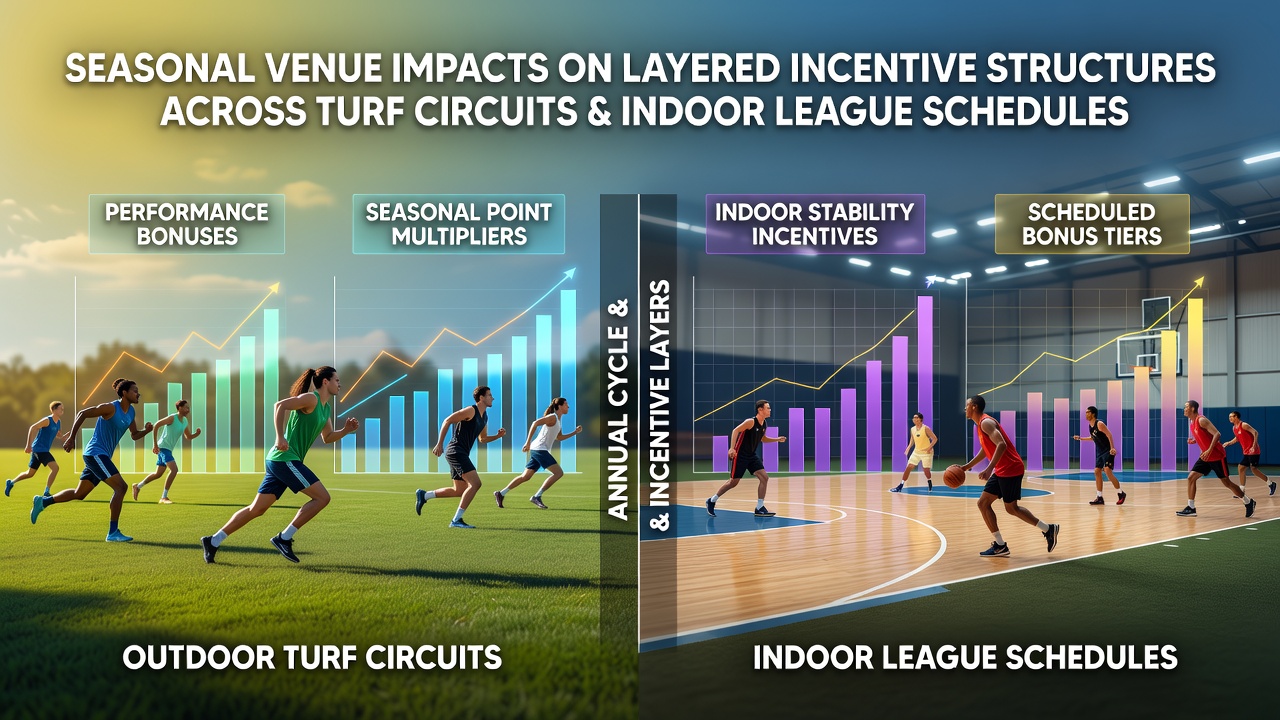
Seasonal Venue Impacts on Layered Incentive Structures Across Turf Circuits and Indoor League Schedules
Data from multiple betting operators shows that seasonal shifts in venue types directly alter how layered incentive structures get configured across turf circuits and indoor league schedules. Turf events peak during warmer months when outdoor tracks operate at full capacity, while indoor leagues expand their calendars once colder weather arrives. These transitions create distinct patterns in how bookmakers construct welcome bonuses, ongoing reload offers, and accumulator enhancements. Operators adjust maximum stake limits and bonus percentages according to the operational demands of each setting. Turf circuits often feature longer race distances and variable ground conditions that influence odds compilation, whereas indoor leagues emphasize rapid scoring periods and player availability metrics. Research from the European Gaming and Betting Association indicates that promotional layering tends to increase in complexity during shoulder seasons when both venue types overlap in scheduling.Venue-Specific Adjustments in Turf Circuits
Grass-based racing circuits experience peak activity from late spring through early autumn, prompting bookmakers to layer each-way bonuses and placepot incentives that align with extended meeting lengths. September 2026 schedules already list major turf festivals running alongside early indoor league tip-offs, forcing operators to calibrate bonus rollover requirements separately for each market segment. Those who track these calendars note that turf promotions frequently cap free bet values higher during festival weeks because field sizes and race volumes support greater turnover projections.
Ground condition reports and non-runner rules further shape incentive depth. Bookmakers introduce weather-linked cashback tiers when forecasts predict soft or heavy going, while maintaining stricter terms for firmer surfaces. Industry figures reveal that such conditional layering reduces overall bonus liability during unpredictable periods without reducing player engagement metrics.
Indoor League Schedule Influences
Indoor venues host continuous league play through winter months, allowing operators to build recurring incentives around quarter and half-time markets. Layered structures here often combine parlay boosts with player performance thresholds that reset weekly. Data indicates these promotions run on tighter timeframes than turf equivalents because game frequency remains consistent regardless of external weather.
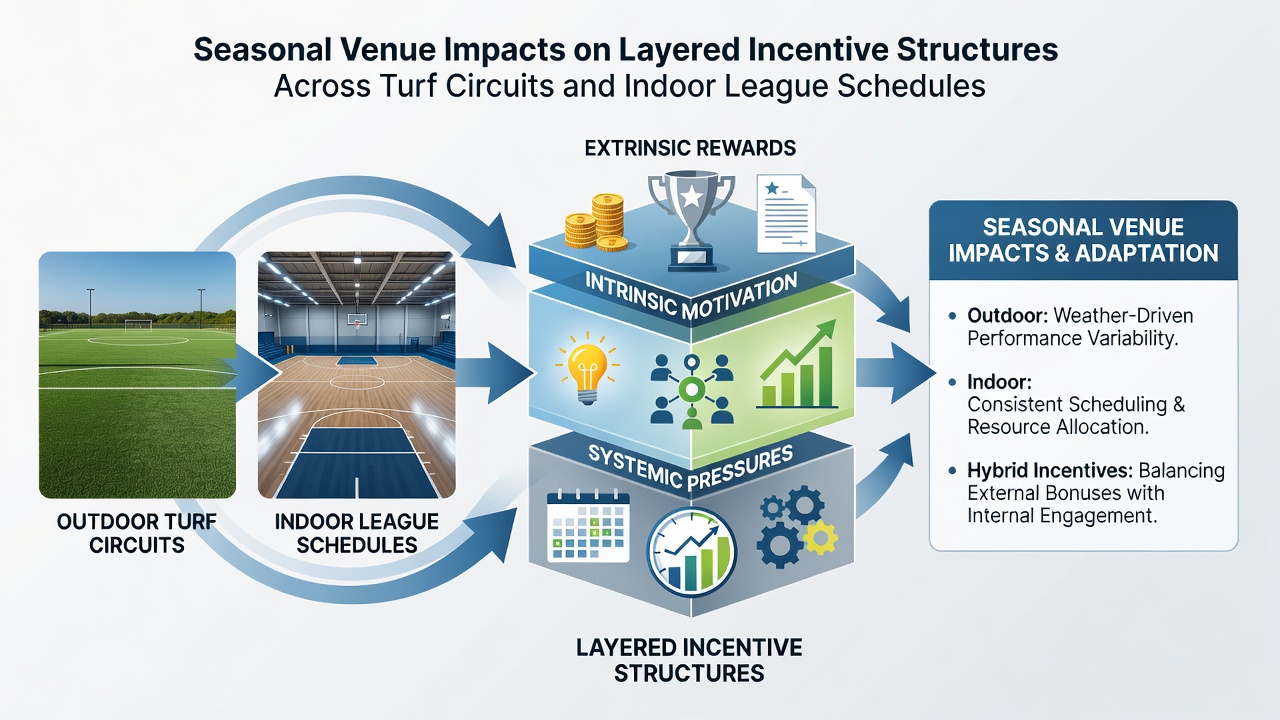
September 2026 pre-season indoor fixtures already demonstrate early layering of deposit-match offers that carry forward into regular season play. Operators coordinate these with turf wind-down events so that total bonus exposure stays balanced across portfolios. Observers note that indoor schedules permit more granular segmentation, such as separate accumulator ladders for conference versus national competitions.
Cross-Venue Layering Patterns
When turf and indoor calendars intersect, operators merge incentive layers through hybrid promotions that reference both venue categories. A single deposit might unlock turf each-way enhancements alongside indoor quarter props, with separate wagering requirements attached to each stream. Reports compiled by the Australian Competition and Consumer Commission highlight that transparent disclosure of these multi-stream conditions has become standard practice across regulated markets.
Payment processing speeds also differ by venue focus. Turf-heavy periods often coincide with faster settlement cycles because race results finalize quickly, while indoor league structures sometimes incorporate live cash-out options that extend bonus lifecycles. Figures from the Canadian Gaming Association show measurable differences in redemption rates between these two operational modes during transitional months.
Regulatory and Operational Considerations
Regional licensing frameworks require operators to maintain distinct audit trails for incentives tied to specific venue types. September 2026 compliance deadlines already include updated reporting on how seasonal venue changes affect bonus liability calculations. These requirements encourage clearer separation between turf circuit promotions and indoor league structures even when they appear within the same customer account.
Market data continues to track how overlapping schedules influence overall incentive uptake. Operators that segment their offerings by venue category report steadier engagement across both turf and indoor segments compared with unified promotion models.
Conclusion
Seasonal venue transitions continue to drive measurable differences in how layered incentive structures operate across turf circuits and indoor league schedules. Operators respond with venue-specific adjustments to bonus caps, rollover terms, and market segmentation that reflect the distinct operational rhythms of each setting. September 2026 calendars already illustrate these patterns in action, showing continued refinement of cross-venue layering techniques.