Licensing Borders Reshape Incentive Packages Across Operators for Major Global Competitions
Noah Keller · Oct 31, 2026
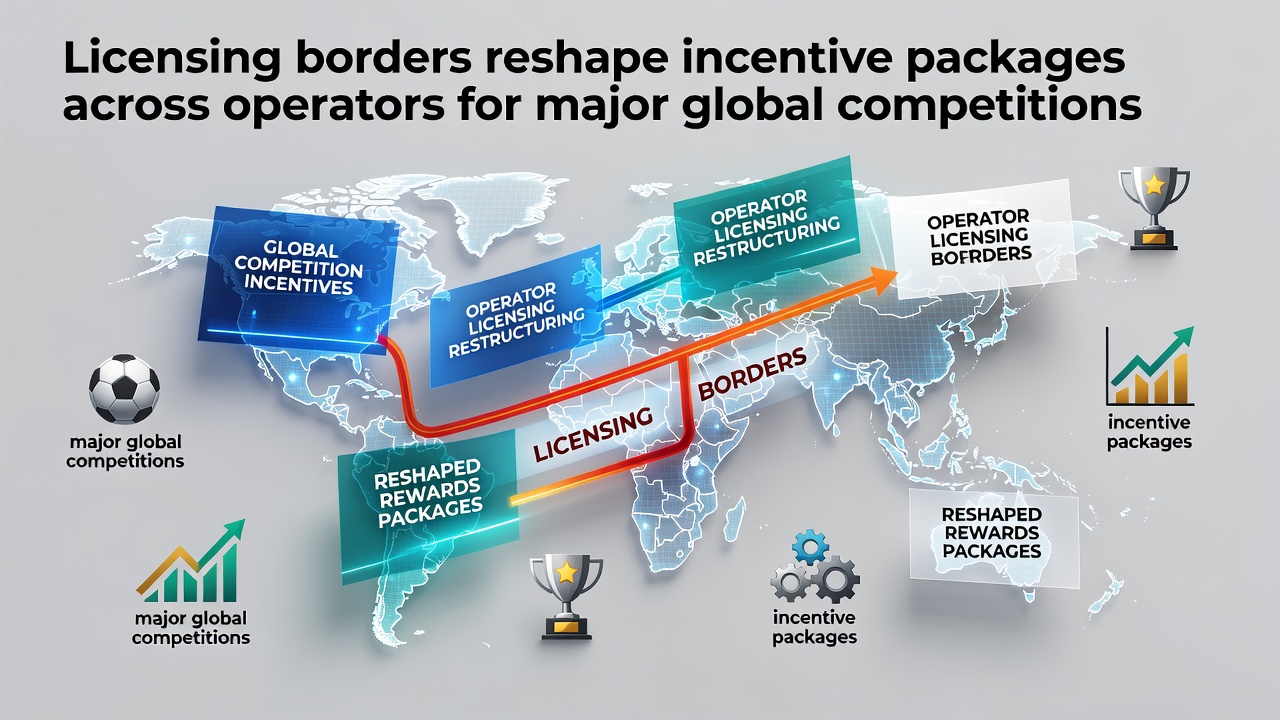
Licensing Borders Reshape Incentive Packages Across Operators for Major Global Competitions
Regulatory frameworks in different jurisdictions continue to influence how betting operators structure incentive packages for events such as the FIFA World Cup, Wimbledon, the Olympics, and the NBA Finals, and these shifts have accelerated ahead of October 2026 when several cross-border licensing updates take effect. Operators must navigate varying rules on bonuses, deposit matches, and cashback offers while competing for customers who follow international competitions across multiple time zones.
Regional Licensing Variations Drive Package Adjustments
European operators licensed under frameworks from the Malta Gaming Authority face strict caps on bonus values and wagering requirements that differ from those applied by the Nevada Gaming Control Board in the United States, and these differences force companies to create region-specific promotions rather than uniform global offers. Australian operators regulated by the Northern Territory Racing Commission meanwhile operate under rules that limit the types of free bet credits they can advertise during major tennis and cricket events. Observers note that such fragmentation requires operators to maintain separate compliance teams for each market they serve.
Data from industry reports indicate that operators with licenses spanning multiple continents often segment their incentive structures by customer location to avoid regulatory penalties, and this segmentation has become more pronounced since 2024 when several jurisdictions updated their advertising standards. Companies that once offered the same welcome bonus across all territories now adjust maximum stake contributions and expiry periods based on the licensing authority overseeing each account.
Impact on Major Global Competitions
During high-profile events like the UEFA Champions League or the Super Bowl, operators adjust accumulator bonuses and enhanced odds promotions to align with local licensing conditions, and these adjustments affect how customers in different countries receive rewards for the same match outcomes. Research from academic studies on gambling regulation shows that operators licensed in jurisdictions with tighter bonus restrictions often redirect marketing spend toward loyalty programs and cashback schemes that face fewer limitations.

Those who have examined licensing changes across Asia-Pacific markets report that operators must sometimes exclude certain competitions from bonus eligibility when local rules prohibit promotions tied to specific sports, and this exclusion creates uneven playing fields among competitors. European operators, for instance, frequently apply different rollover conditions to football versus basketball incentives because individual member states impose distinct requirements on each product category.
Operator Strategies and Compliance Costs
Companies holding multiple licenses report increased compliance costs that directly influence the scale of incentive packages they can offer, and these costs include legal reviews, software modifications, and ongoing audits required by each regulatory body. According to figures from the American Gaming Association, operators in regulated U.S. states allocate a growing share of their marketing budgets to ensuring promotional terms meet state-specific standards rather than expanding bonus amounts. Similar patterns appear in Canadian provinces where provincial gaming corporations enforce unique rules on deposit bonuses during international hockey tournaments.
Operators that maintain licenses in both the European Union and Australia have developed modular bonus engines capable of switching terms based on customer IP and account settings, and these technical solutions allow continued competition despite regulatory divergence. Industry organizations such as the World Lottery Association have documented how such systems reduce the risk of inadvertent rule breaches during peak periods around major competitions.
Future Outlook Through October 2026
Regulatory bodies in several regions have signaled further refinements to licensing conditions that will affect incentive structures by October 2026, and these changes include tighter rules on cross-border advertising and mandatory disclosures for bonus wagering requirements. Operators are already preparing updated terms for events scheduled after that date, including the next cycle of rugby world cup qualifiers and winter sports championships. Academic research published by university centers focused on gaming law indicates that continued harmonization efforts in some regions may eventually reduce the current patchwork, although full alignment remains unlikely in the near term.
Conclusion
Licensing borders continue to compel operators to tailor incentive packages according to jurisdiction-specific rules, and this tailoring shapes how customers experience promotions tied to major global competitions. Data from regulatory filings and industry reports confirm that operators invest significant resources in compliance infrastructure to deliver competitive offers without violating local requirements, and these investments influence both the variety and the scale of available bonuses. As updates scheduled for October 2026 approach, further adjustments to incentive structures appear inevitable across multiple markets.