Charting Correlations Between Fixture Calendars and Enhanced Reward Programs Across Ball Games and Speed Contests
Paul Meier · Oct 3, 2026
Charting Correlations Between Fixture Calendars and Enhanced Reward Programs Across Ball Games and Speed Contests
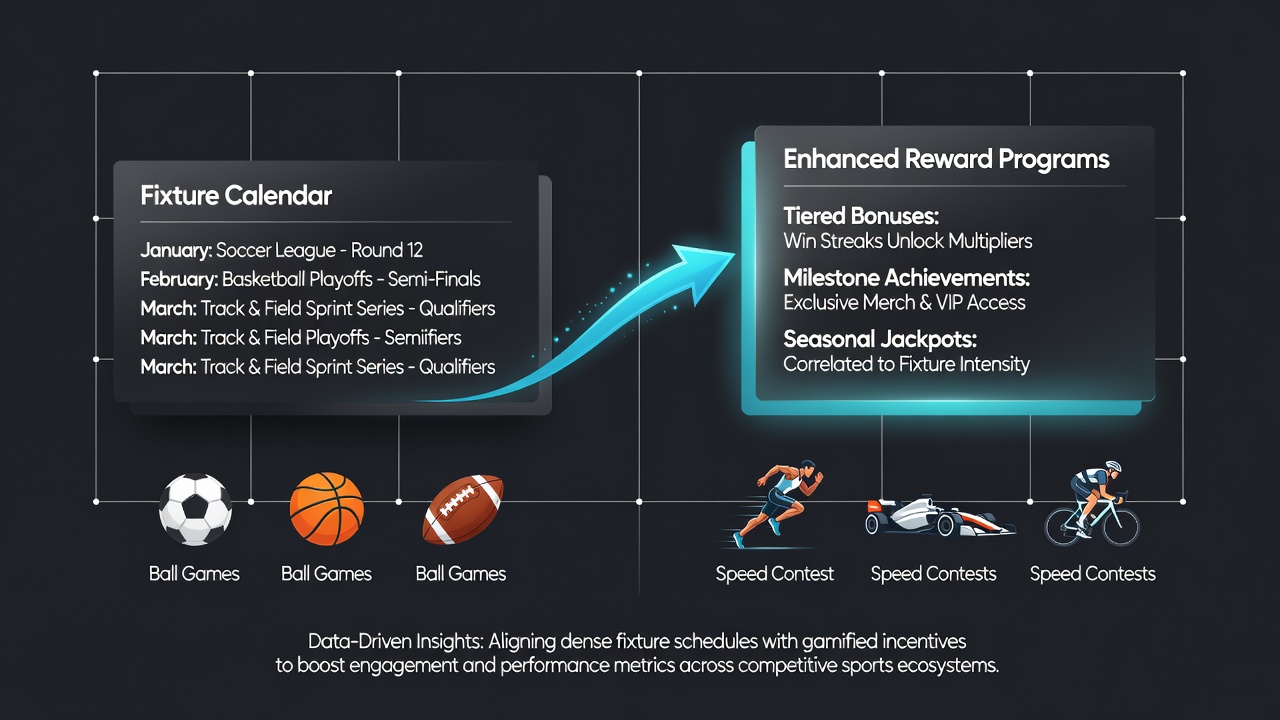
Fixture calendars set the rhythm for ball games and speed contests alike, and analysts track how these schedules align with shifts in reward programs offered by betting operators. Data from industry reports show that periods of concentrated fixtures often coincide with expanded bonus structures, including free bet credits and accumulator enhancements, across football leagues, basketball conferences, tennis circuits, and thoroughbred racing meets.
Researchers examining European and North American markets note that operators adjust promotional calendars in response to fixture density. When multiple high-profile events cluster within a short window, such as October 2026 international breaks paired with early-season basketball tip-offs, reward tiers expand to capture increased engagement volumes. Figures from the American Gaming Association reveal that promotional spend rises by measurable percentages during these overlaps, driven by fixture lists published months in advance.
Fixture Density Patterns in Ball Games
Football schedules produce the clearest examples of calendar-driven reward adjustments. Premier League and European club competitions release their timetables each summer, and operators respond by layering welcome bonuses and ongoing reload offers that scale with midweek match clusters. Observers note similar patterns in basketball, where NBA and EuroLeague calendars create overlapping windows that prompt targeted player prop enhancements and quarter-specific free bet incentives. Tennis grand slam qualification periods further illustrate the trend, as operators introduce tiebreak and set-based promotions timed to coincide with concentrated tournament weeks.
Speed Contests and Seasonal Racing Calendars
Thoroughbred and harness racing calendars operate on distinct seasonal cycles, and data indicates reward programs track these rhythms closely. Major meetings such as the Breeders' Cup and Royal Ascot generate fixture spikes that operators counter with each-way enhancements and place insurance promotions. Greyhound and harness meets follow parallel patterns, with operators releasing bonus structures that activate during back-to-back race days listed on official calendars. Studies compiled by the Australian Racing Board demonstrate that promotional uptake increases when fixture lists show minimal gaps between events, prompting operators to extend reward validity windows accordingly.
Measured Correlations Across Both Categories
Statistical reviews of operator data across 2025 and 2026 seasons highlight consistent alignments. When fixture calendars list four or more premium ball game events within seven days, reward program participation metrics rise by double-digit percentages compared with quieter intervals. The same pattern holds for speed contests, where consecutive race meetings trigger accumulator booster offers that mirror the density of listed fixtures. One analysis conducted by researchers at the University of Nevada, Las Vegas tracked these overlaps and found that reward program announcements frequently follow fixture publication dates by a predictable interval of two to three weeks.
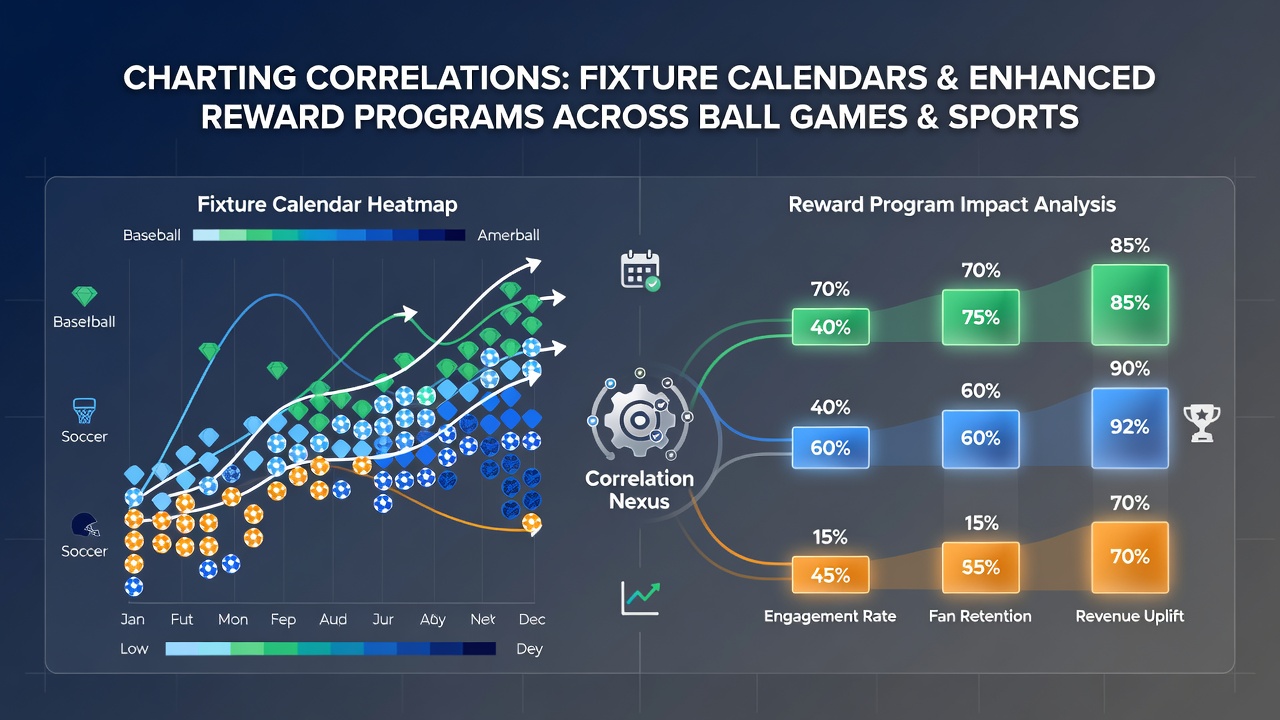
Operators integrate calendar monitoring tools that flag upcoming clusters, allowing automated scaling of bonus pools. In October 2026, for instance, overlapping European football qualifiers and North American basketball preseason fixtures prompted several platforms to synchronize free bet releases with the published schedules. These adjustments appear driven by volume projections rather than isolated event hype, as reward structures remain elevated across the entire cluster window instead of peaking at single matches or races.
Regional Variations in Calendar-Linked Rewards
European markets show stronger correlations during domestic league congestion periods, while North American operators emphasize reward layering around conference tournament schedules. Australian and Asian racing calendars produce distinct spikes tied to carnival seasons, and operators in those regions align promotional calendars accordingly. Cross-regional data compiled by the European Gaming and Betting Association confirms that operators monitor fixture density as a primary variable when setting reward program parameters, rather than treating promotions as standalone marketing tools.
Conclusion
Fixture calendars function as structural inputs that shape reward program design across ball games and speed contests. Evidence from operator records and academic reviews demonstrates measurable correlations between schedule density and the timing, scale, and duration of enhanced offers. As calendars continue to dictate event clustering, operators maintain data-driven systems that align reward availability with published fixture lists, producing observable patterns that repeat across seasons and regions.